




For landscape lighting brands, pergola and patio suppliers, import wholesalers, and project contractors, that distinction matters. A homeowner may compare appearance first. A professional buyer has to compare cutout size, voltage, optics, IP protection, cable access, dimming, replacement risk, and the consistency of the finished range.
This guide compares three practical approaches: mini step lights, recessed deck lights, and LED strip lights. The conclusion is deliberately opinionated: use point-source lights when the project needs controlled, repeatable step definition; use strip lights when it needs continuous, low-profile coverage or a retrofit-friendly solution. In many premium outdoor projects, a layered combination is stronger than a single product type.
Key takeaways
- Mini recessed step lights offer the clearest visual rhythm and the most repeatable specification for stair risers.
- LED strip lights create an even linear glow, but outdoor sealing, channel design, heat management, and service access must be specified as a system.
- For new construction, plan the cutouts and cable route before the decking is closed. For retrofits, favor accessible low-voltage products and protected mounting details.
- VLED’s outdoor deck-light range includes 12V/24V, dimmable, IP65 recessed products, while its COB strips and accessories support broader project integration.
What should deck stair lighting achieve?
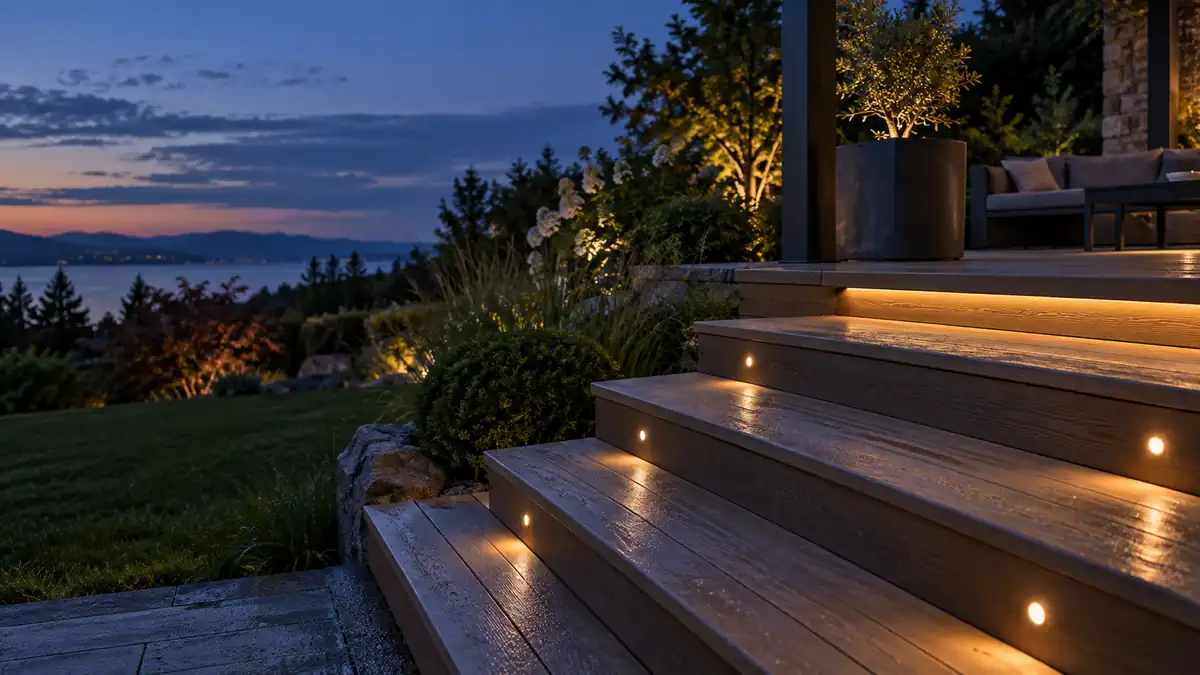
Deck stair lighting should make the edge of every tread legible without creating glare or turning the stairs into a row of visible bright spots. The useful design target is not maximum output. It is controlled light on the walking surface, a clear indication of the route, and enough visual hierarchy to separate stairs from surrounding deck, planting, and furniture.
That is why placement matters more than wattage. A light in the riser can wash the tread below. A light under the tread can create a floating edge. A light at the side can mark the transition without lighting the full width. Before comparing products, define the job: safety guidance, architectural accent, general circulation, or a combination of these.
Mini step lights: the best choice for controlled stair definition
Mini step lights are compact point sources installed in a riser, side wall, stringer, or adjacent structure. They are usually the most disciplined option when a project needs a clean repeated pattern, a controlled beam, and a fixture that nearly disappears into the architecture during the day.
Where mini step lights work well
Use them on formal deck stairs, masonry steps, pergola platforms, hospitality terraces, and landscape routes where every tread needs a similar visual treatment. Their small aperture is useful when the design language calls for minimal hardware. Their point-source character also makes it easier to create a deliberate cadence instead of a continuous luminous line.
For a new product range, mini step lights are easier to standardize than many buyers expect. A supplier can define a small family around one visual body, several cutouts, multiple finishes, fixed or adjustable optics, and 12V or 24V control options. That creates useful SKU flexibility without forcing the installer to learn a completely different housing on every project.
What to specify
- Cutout diameter and fixture depth, checked against the riser construction.
- Beam distribution and lens finish, especially where glare could be visible from the deck seating area.
- Input voltage, dimming method, cable length, connector style, and driver location.
- Outdoor protection, housing material, finish, and the sealing detail around the cable entry.
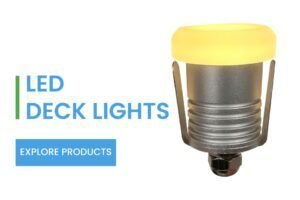
VLED’s LED deck light range is designed around this type of application. The published range includes recessed deck and step lights using 12V or 24V DC, dimming, IP65 protection, several CCT and color options, and different cutout sizes. For example, the SLED recessed deck light is listed with a 39 mm suggested cutout, 3W power, and a recessed or buried installation format. Always confirm the final specification and local compliance documents before approval.
Recessed deck lights: clean integration for new builds
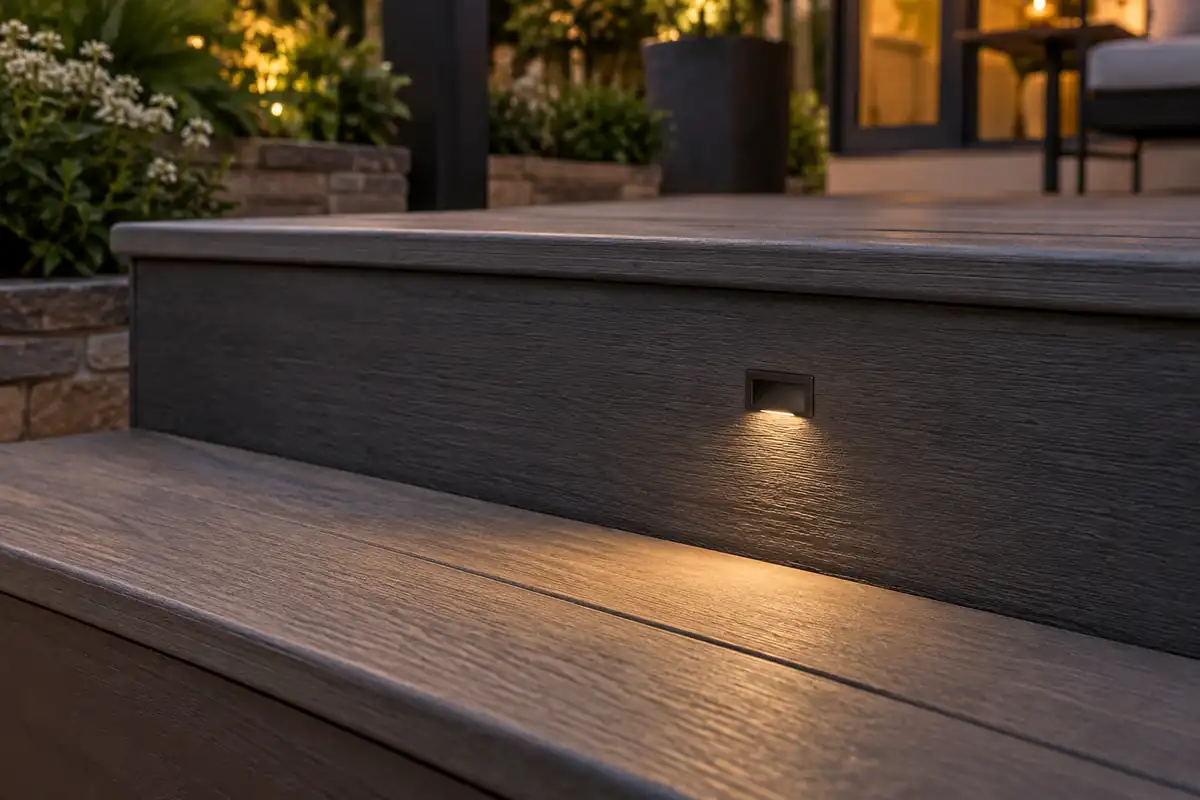
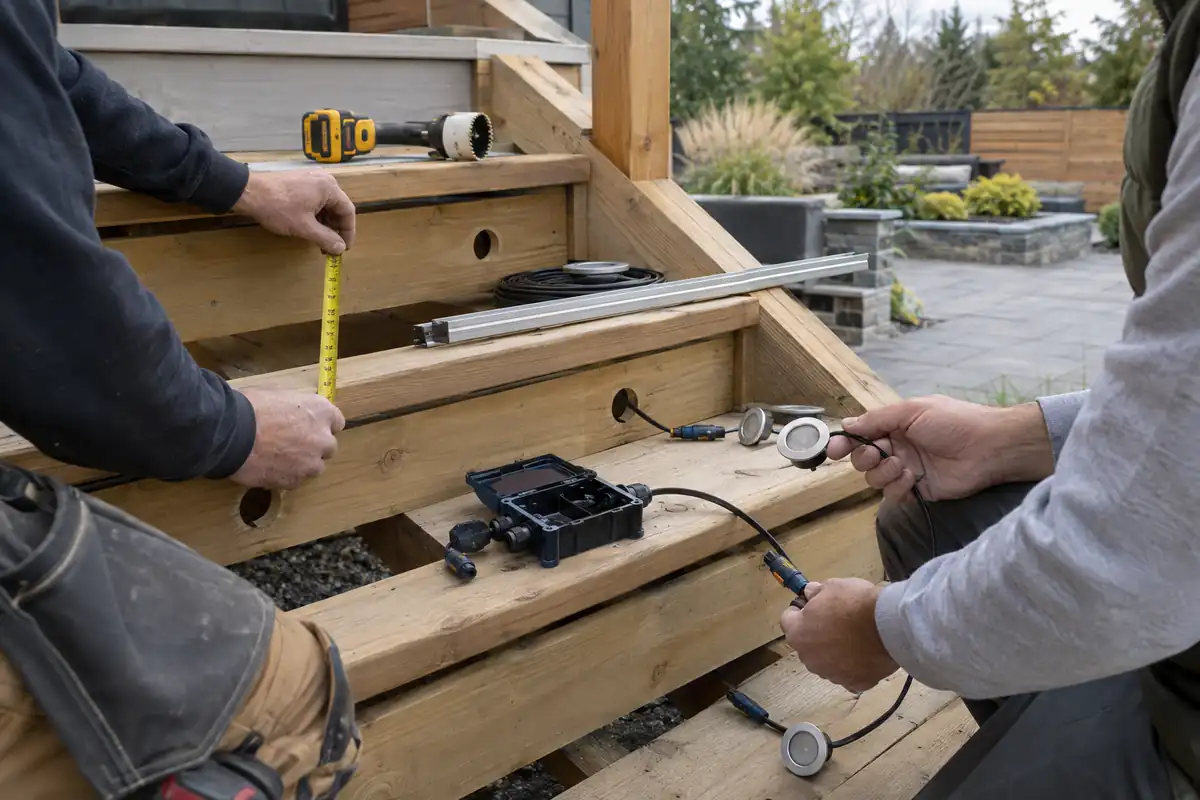
Recessed deck lights are the strongest fit when the construction sequence allows the installer to reserve holes, route cables, and protect connections before the decking or riser is finished. Their flush appearance supports modern outdoor architecture, and their repeatable aperture helps brands deliver a consistent installed result across different projects.
Recessed does not automatically mean better. The product must match the substrate. Timber, composite boards, stone, concrete, and aluminum profiles each change the drilling method, available depth, drainage detail, and service strategy. A fixture that works in a thick timber riser may not fit a shallow composite system without a sleeve or revised mounting solution.
Recessed installation questions buyers should answer
- Can the installer reach the rear of the fixture after the riser is closed?
- Is the hole saw or core bit size clearly defined in the installation instructions?
- Where will the driver, splitter, and cable junctions sit, and can they be inspected?
- Does the optical direction illuminate the tread rather than the eyes of a person approaching the stairs?
- Can the same product family be used on landings, pathways, and adjacent deck surfaces?
For installation planning, the DecksDirect step-light installation guide is a useful reference for the general sequence of feeding cable, preparing the recess, and positioning a fixture. It is not a substitute for the instructions for the selected product, local electrical requirements, or the project engineer’s details.
LED strip lights: continuous coverage with more system variables
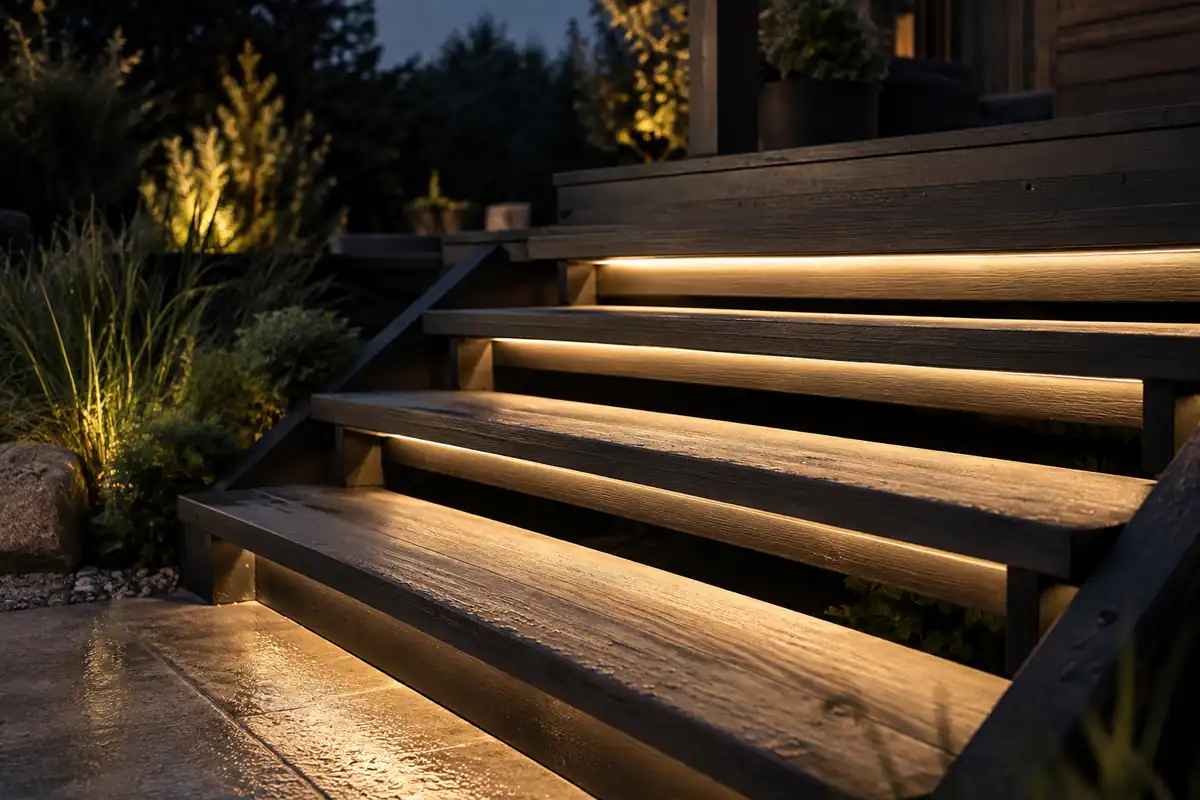
LED strip lights are the right tool when the design calls for an uninterrupted glow under the tread nose, along a rail, or below a deck edge. They distribute light across a longer line and can be cut or connected to suit different lengths. That makes them attractive for wide steps, open-riser stairs, curved features, and projects where point-source spacing would look too busy.
The tradeoff is that a strip is not just a strip. Outdoor performance depends on the LED tape, channel or mounting surface, diffuser, end caps, cable joints, power supply, drainage, and control system. Adhesive alone is rarely an adequate long-term mounting strategy in a wet, dirty, or thermally variable location. A protected aluminum profile also helps maintain alignment and gives the installer a defined replacement path.
VLED’s COB LED strip range is relevant where a smoother continuous line is preferred. The published range includes 12V and 24V options, CRI choices above 90 on listed models, several LED densities, and widths from 8 mm to 10 mm. Those details can help a buyer match the strip to a narrow channel, a longer run, or a color-quality requirement. The final strip specification still needs to be paired with the correct driver, aluminum profile, diffuser, and outdoor sealing method.
Mini step lights vs recessed lights vs strip lights
The table below compares the three approaches from a project and product-management perspective. It focuses on the variables that affect installation, appearance, maintenance, and repeatability, rather than treating all outdoor lights as interchangeable.
| Criterion | Mini step lights | Recessed deck lights | LED strip lights |
|---|---|---|---|
| Best visual effect | Controlled pools or short washes | Flush, architectural integration | Continuous linear glow |
| Best project stage | New build or planned retrofit | New build or major renovation | New build, retrofit, or open-riser detail |
| Installation risk | Cutout and cable access must be correct | Highest, because depth and drainage are critical | System risk moves to profile, joints, heat, and sealing |
| Visual consistency | High when spacing and optics are controlled | High when cutouts are accurate | High across length, but depends on diffuser and voltage drop |
| Retrofit suitability | Moderate | Low to moderate | High when a protected mounting detail is available |
| Product-range opportunity | Multiple apertures, finishes, optics, and controls | Flush families for deck, stair, and pathway use | Cuttable lengths, CCT, CRI, density, profiles, and controls |
The comparison is a design and specification framework. Actual performance depends on the product, installation, power supply, control method, substrate, and local conditions.
How should a professional buyer specify the system?
Professional buyers should specify the complete lighting system, not only the visible lamp. The fixture, driver, cable, connector, splitter, control method, mounting detail, and replacement process all affect the installed result. A low-voltage system is only as reliable as its weakest connection and least protected component.
1. Start with voltage and circuit layout
Choose 12V or 24V after reviewing run length, load, control equipment, and the supplier’s wiring guidance. Longer runs may benefit from a 24V architecture, but the correct choice depends on the system design and voltage-drop calculation. Ask for a wiring diagram before the purchase order, not after the site team starts installation.
2. Match light distribution to the stair geometry
A deep tread, a narrow riser, an open staircase, and a curved deck edge need different optical decisions. Frosted or patterned lenses can soften a point source. A diffuser can smooth a strip. A wider distribution can reduce fixture count, but it should not create glare into the approach path.
3. Treat IP rating as one part of outdoor reliability
IP protection is important, but it does not solve poor drainage, exposed connectors, trapped condensation, incorrect cable glands, or a driver installed in a wet cavity. Review the full installation detail. For products intended for decks, stairs, patios, and landscape routes, request the applicable test and compliance documentation for the target market.
4. Design for service and replacement
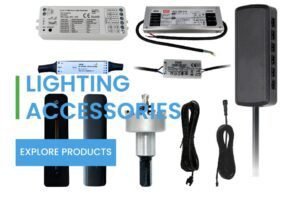
A premium installation should be maintainable without removing an entire stair assembly. Keep drivers and junctions accessible, label circuits, leave sensible cable slack, and document the exact cutout and product code. VLED’s lighting accessories range includes power supplies, mini drivers, splitters, extension cables, and hole saws that can be evaluated as part of the same project package.
What should landscape and pergola brands stock?
A practical range normally needs one reliable recessed step family, one compact mini spotlight family, and one adaptable strip platform. This gives the sales team a solution for formal stairs, retrofit edges, pergola details, deck perimeters, and feature lighting without creating an unmanageable catalog.
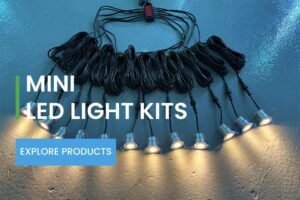
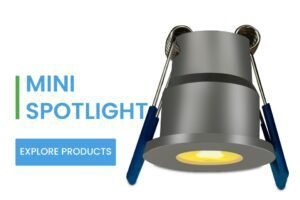
For a private-label or OEM program, the important questions extend beyond the lamp body. Ask whether the manufacturer can support custom finishes, lens options, cable and connector choices, packaging, sample development, and documentation. VLED describes its operation as focused on small LED spotlights, mini downlights, LED kits, and OEM/ODM cooperation, with factory-based production and product development for global lighting brands. Its factory and R&D overview gives buyers a starting point for evaluating that capability.
The strongest specification is the one your distribution and installation network can repeat. A beautiful light that arrives with unclear cutouts, incomplete wiring details, or no replacement plan becomes a project liability. A slightly less dramatic fixture with stable dimensions, clear instructions, and dependable support often creates more value across a whole product range.
Final recommendation
Choose mini recessed step lights when the project needs controlled points of light, a formal rhythm, and a clean architectural finish. Choose recessed deck lights when the build sequence allows accurate cutouts and hidden wiring. Choose LED strip lights when continuous coverage, open-riser flexibility, or a low-profile linear effect is the priority. Combine them when the stairs, landings, and deck perimeter perform different lighting jobs.
The next step is to map the stair geometry, substrate, circuit length, control method, and target finish before selecting the SKU. If you are developing a private-label range or specifying lights for a pergola, patio, deck, or landscape project, contact VLED’s lighting team with the drawings, cutout limits, voltage preference, and expected order quantity. A manufacturer can then recommend the right fixture family and system details before the design reaches the installation stage.
Specify the right deck stair lighting system
Share your stair dimensions, substrate, preferred color temperature, control method, and project quantity with VLED. The team can help compare recessed mini lights, deck step lights, COB strips, and the accessories needed to build a repeatable outdoor lighting solution.
Send Us Your Request