



A mini LED spotlight looks like a small component on a quotation sheet. In the real world, it can decide whether a pergola kit feels premium, whether an outdoor project passes inspection, and whether your next container becomes profitable or expensive to fix.
That is why importers should compare manufacturers by risk control, not just by unit price. A low quotation is easy to find. A manufacturer that can hold color consistency, waterproof performance, driver compatibility, packaging accuracy, and batch documentation across repeat orders is much harder to replace.
Key Takeaways
- Compare mini LED spotlight manufacturers by complete system reliability, not by lamp head cost alone.
- For outdoor and pergola lighting, check IP rating, low-voltage design, driver matching, cable quality, and installation accessories together.
- Ask for real product data: lumen output, CCT range, beam angle, cutout size, LED brand, wiring diagram, test records, and certification files.
- A specialist manufacturer is usually safer for private-label importers than a broad catalog supplier with weak engineering support.
Why Should Importers Compare Mini LED Spotlight Manufacturers Differently?
Importers should compare mini LED spotlight manufacturers by the failure points that appear after the sale: waterproofing, color drift, driver mismatch, missing accessories, poor installation guidance, and weak documentation. LEDs can use up to 90% less energy and last up to 25 times longer than incandescent bulbs, according to the U.S. Energy Information Administration, but those benefits only matter when the full fixture system is engineered correctly.
Most buyer-side comparisons start with wattage, price, MOQ, delivery time, and logo printing. Those are necessary, but they are not enough. Mini spotlights are used in tight spaces: pergola beams, soffits, awnings, cabinets, displays, stair treads, decks, garden structures, and terrace systems. Once installed, the cost of replacing a defective light is far higher than the price difference between two factories.
In our manufacturing experience, the cheapest supplier is rarely the most expensive problem on day one. The bigger issue appears later, when the second batch does not match the first batch, the cable connector changes without notice, or the control system cannot support the layout your customer wants to install.
The importer is buying a repeatable lighting system
A mini LED spotlight is not only a lamp. It is a small optical, electrical, thermal, mechanical, and packaging system. For outdoor living brands and wholesalers, the manufacturer must keep that system repeatable from sample to pilot order to full container.
This is especially true for mini LED spotlights used in pergolas and landscape structures. The product may be small, but it sits in a visible place. A color mismatch across six lights in one kit is easy for the end user to notice.
The Hidden Risks Behind a Cheap Mini LED Spotlight Quote
A cheap mini LED spotlight quote can still become expensive if the supplier cannot keep the same optical, electrical, mechanical, and packaging standard across repeat orders. Price, MOQ, delivery time, and logo printing are useful comparison points, but they do not show whether the product will remain stable after your first shipment.
Many sourcing pages make comparison look simple: filter by CE/RoHS, supplier location, smart-control option, wattage, CCT, IP rating, and unit price. Those details matter, but they are only the visible layer. The real importer risk sits behind them: changing LED batches, inconsistent housing finish, weak waterproof assembly, unclear driver loading, mismatched cables, and documents that do not match the exact model.
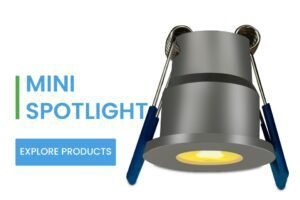
A trading company may send a clean quotation. A general LED factory may show a large catalog. Yet neither tells you whether the same 3W IP65 recessed spotlight will arrive with stable finish, matching beam, correct cable length, compatible dimming, and proper documentation for your market. The better question is not “Who sells mini LED spotlights?” It is “Which manufacturer can support my product line with fewer surprises after the first order?”
Which Type of Supplier Fits Your Import Model?
The right supplier type depends on whether you need a fast catalog purchase, a private-label product line, or project-specific engineering support. Importers should separate trading companies, broad LED factories, specialist mini spotlight manufacturers, and project lighting suppliers before comparing prices.
| Supplier type | Best fit | Main risk | What to verify before ordering |
|---|---|---|---|
| Trading company | Small mixed orders and quick sourcing | Limited control over engineering changes, QC, and long-term consistency | Original factory, test files, replacement policy, and whether parts remain stable |
| General LED lighting factory | Broad product range for distributors | Mini spotlights may be a side category, not a core R&D focus | Depth of low-voltage spotlight line, tooling ownership, and customization capability |
| Specialist mini LED spotlight manufacturer | Private-label lines, pergola kits, outdoor living systems, and repeat wholesale programs | May require clearer technical briefs from the buyer | Optics, IP design, CCT options, wiring systems, kit configuration, and batch QC |
| Project lighting supplier | One-off architecture or landscape projects | Higher cost and less retail-packaging support | IES files, installation drawings, driver layout, and on-site support scope |
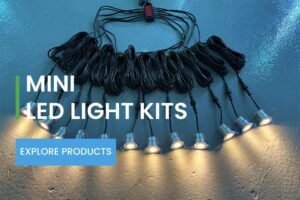
For European and North American importers building a product range, a specialist manufacturer is usually the stronger long-term choice. The reason is simple: mini spotlights need small mechanical tolerances and system matching. A factory that already produces mini LED spotlight kits can usually discuss lamp quantity, driver capacity, splitter configuration, remote control, app control, color temperature, cutout size, and packaging as one order system.
What Product Data Should a Serious Manufacturer Provide?
A serious manufacturer should provide enough data for your purchasing, engineering, marketing, and after-sales teams to make the same decision. At minimum, request wattage, input voltage, lumen output, efficacy, CCT, CRI, beam angle, IP rating, material, finish, cutout size, dimming method, wiring diagram, driver options, and certification files.
If a supplier only says “high brightness,” “waterproof,” or “good quality,” keep asking. Those phrases do not help your team write a product page, build an installation manual, or answer a contractor who wants to know whether a 12-light pergola layout can run from one driver.
Check the optical data first
Mini spotlights often use 1W, 3W, 4W, or 6W light engines. Output is only part of the story. For outdoor living and architectural accent use, beam angle and CCT consistency matter just as much. A narrow beam can create a sharp effect on a column or plant. A wider beam can soften a pergola ceiling or soffit.
On VLEDSTAR product lines, typical options include 2700K to 6500K, CCT, RGB, RGBW, RGB plus CCT, and dimmable low-voltage configurations. Some models use Cree, Epistar, or Sanan LEDs, with 12V or 24V systems depending on the application. Those are the types of details importers should compare line by line.
Confirm physical dimensions and installation fit
Small differences in cutout size can create large field problems. A 24 mm cutout, 28 mm cutout, 30 mm cutout, 36 mm cutout, and 52 mm cutout do not serve the same installation condition. For pergola beams, decking, stair structures, cabinets, and display shelves, the manufacturer should confirm both product body size and actual mounting method.
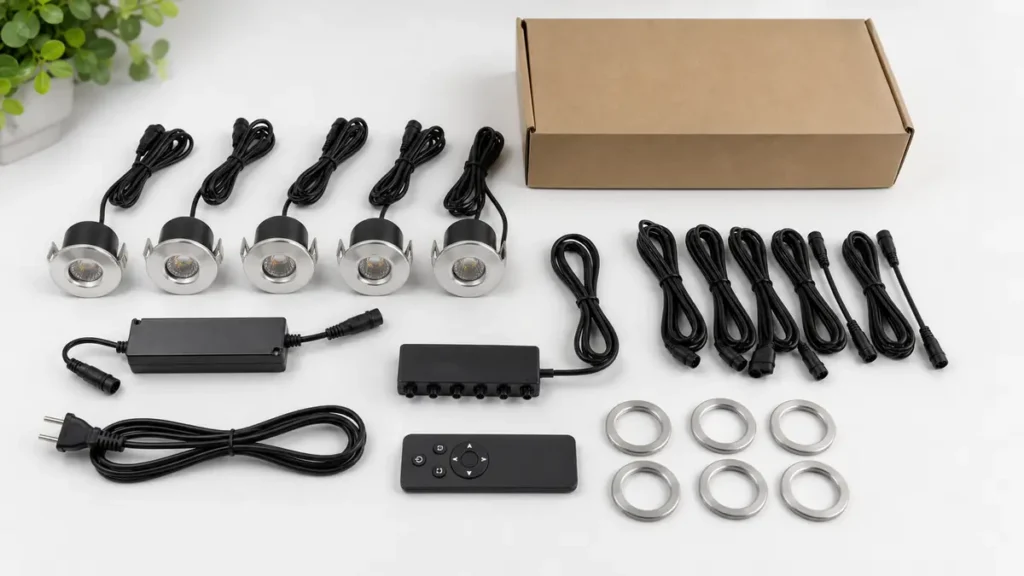
If your business sells kits, request the complete accessory list. Include driver, cable, splitter, connector, remote controller, hole saw recommendation, spare parts, and packaging layout. VLEDSTAR lists separate spotlight accessories such as power supplies, splitters, wires, cables, and hole saws, which is useful when building repeatable importer kits.
How Important Is IP Rating for Outdoor Mini LED Spotlights?
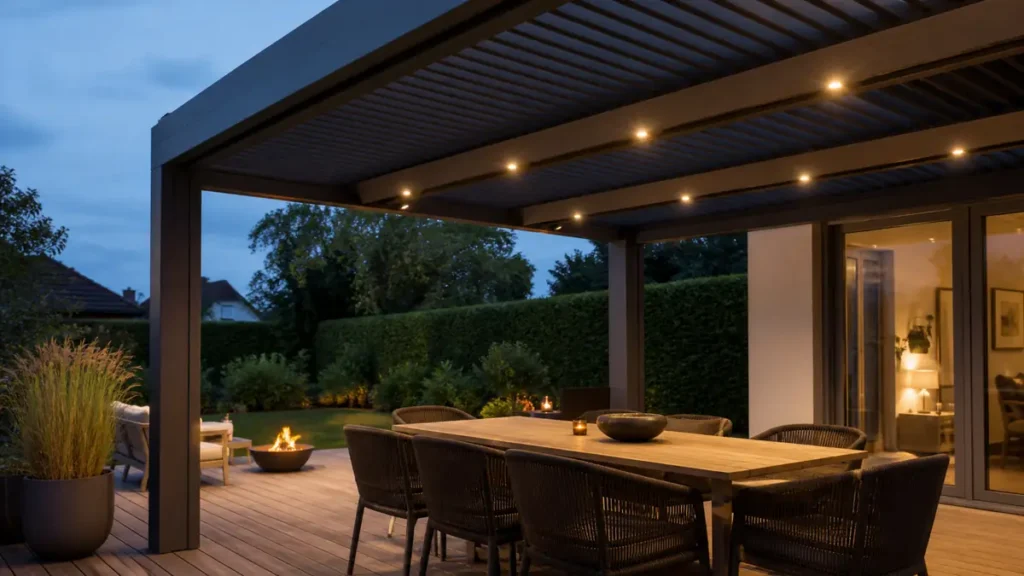
IP rating is critical for outdoor mini LED spotlights because it defines enclosure protection against dust and liquids. The IEC explains IP ratings as a way to grade resistance to dust and water intrusion. For pergolas, decks, awnings, soffits, and garden structures, IP65 or higher is often the practical starting point, but the application still matters.
Do not treat “waterproof” as a single promise. A mini recessed light installed under a covered pergola faces a different risk than a deck light exposed to rain, cleaning water, snow, and foot traffic. The IP label should match the product structure, connector type, cable path, and installation location.
VLEDSTAR offers IP65 mini spotlight and step/deck light options for outdoor use, including models designed for low-voltage dimmable systems. For importers, the value is not only the IP number. The value is whether the factory can explain why a specific model, connector, and cable setup fits the end-use environment.
Ask how the IP rating is protected in production
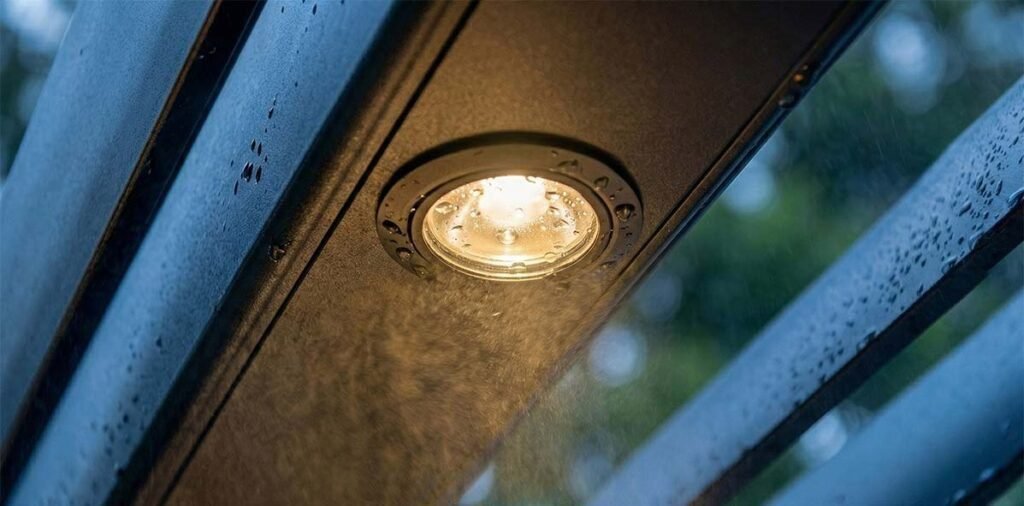
A rating on a catalog page is not the same as stable production control. Ask about sealing material, assembly process, wire entry design, connector selection, and inspection method. If the manufacturer cannot explain how the product prevents water ingress, the rating may be more of a sales label than a production discipline.
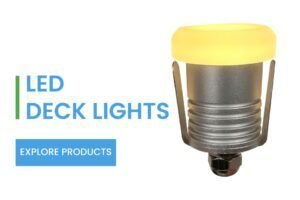
For step lights and deck lights, review the dedicated LED deck light range instead of forcing an indoor-style spotlight into an outdoor installation. This prevents the common mistake of choosing the right size but the wrong environmental design.
How Do Certifications Affect Importer Risk?
Certifications affect importer risk because lighting products may be reviewed by customs, retailers, marketplaces, inspectors, and project owners. In the EU, the RoHS Directive restricts hazardous substances in electrical and electronic equipment. In North America, third-party marks such as ETL can help demonstrate safety compliance when the exact product and standard are covered.
Certification should be checked at model level, not brand level. A factory may have CE or RoHS files for one product family, while your selected item uses a different driver, cable, enclosure, or control system. Ask for the test report, certificate holder, model list, date, voltage, and product photo match.
The same logic applies to driver selection. If the supplier proposes a Mean Well XLG driver, verify the exact model, wattage, output voltage, certification coverage, dimming function, and loading plan. VLEDSTAR lists Mean Well XLG-100 and Mean Well XLG-320 options, which can help importers specify complete low-voltage systems rather than buying lamp heads alone.
Do not confuse component certification with system approval
A certified driver does not automatically make the entire kit certified for every market. The lamp, cable, control receiver, connector, enclosure, and installation instructions still need to be reviewed. Intertek describes the ETL Listed Mark as proof that a product has been independently tested and certified to applicable safety standards. The product scope matters.
For private-label importers, this is where a strong manufacturer saves time. The factory should know which documents your market usually requests and which details must not change after approval.
What Should You Check in Samples Before a Bulk Order?
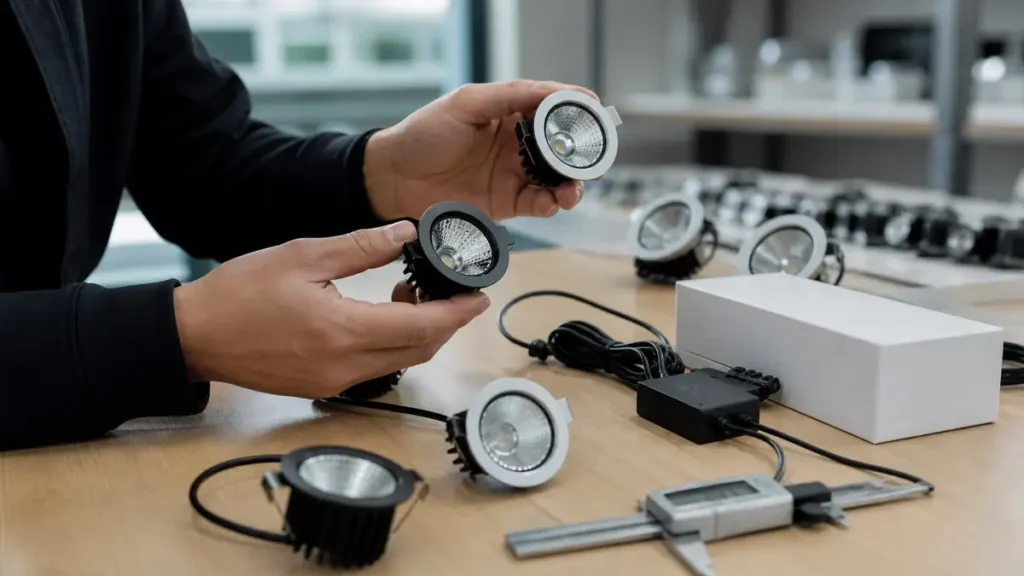
Samples should be tested as a system, not admired as loose parts. Before a bulk order, install the mini LED spotlights in a realistic layout, connect the driver, test the dimming range, inspect CCT consistency, check cable fit, run a heat test, and confirm packaging details with your own team.
Ask for at least two sample sets if your final product will be sold as kits. One set can be used for electrical and installation review. The other can be kept as a retained approval sample. When the bulk order arrives, compare production parts against the retained sample before releasing stock.
A practical sample review checklist
- Confirm actual cutout size with the recommended hole saw and mounting surface.
- Measure color difference between all lights in one kit at full brightness and dimmed levels.
- Check whether RF remote, app control, CCT tuning, RGB, or RGBW functions match the quotation.
- Run the full lamp quantity planned for one kit, such as 3 to 12 lights, on the proposed driver.
- Inspect cable length, connector fit, polarity marking, splitter quality, and strain relief.
- Review surface finish under daylight, warm interior light, and outdoor evening conditions.
- Check printed labels, carton marks, user manual, barcode, and private-label packaging requirements.
For pergola and terrace packages, compare the sample against the actual customer experience. A contractor wants fast installation. A brand owner wants clean packaging and low support calls. A homeowner wants matching color and a premium feel. The right manufacturer should help all three outcomes.
How Should Importers Compare Quality Control?
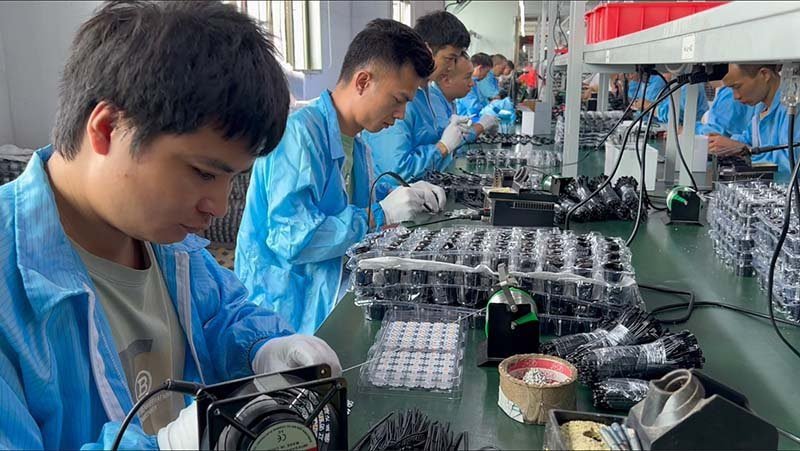
Quality control should be compared by process evidence, not by a sentence in a catalog. Ask how incoming materials are checked, how LEDs are binned, how waterproof assembly is controlled, how finished products are aged, and how the factory records defects before shipment.
For LED products, long-term reliability depends on component quality, thermal design, driver stability, soldering, sealing, and electrical load. Standards such as IES LM-80 and TM-21 are often used in the LED industry to discuss lumen maintenance and lifetime projection. The Illuminating Engineering Society notes that TM-21 projects flux maintenance from LM-80 test data, which is why importers should ask for evidence behind lifetime claims.
You do not need a laboratory report for every small private-label order, but you do need a factory that understands the relationship between LED selection, heat, driver load, and repeatable performance. If a supplier quotes a 50,000-hour lifetime without explaining test basis or operating conditions, treat it as marketing language.
Batch consistency matters more than a perfect sample
A beautiful sample can be hand-selected. A stable factory can reproduce it. Ask whether the manufacturer keeps approved samples, controls LED batches, records driver versions, and confirms connector compatibility before each order.
For import wholesalers, batch consistency protects catalog continuity. Your customer expects the same beam, color, finish, and installation accessories when they reorder six months later.
What Role Does Customization Play in Manufacturer Selection?
Customization matters when the product will carry your brand, fit your installation system, or support a project specification. Importers should ask whether customization is limited to logo and box printing or includes housing finish, cable length, connector type, kit quantity, CCT, control method, and product documentation.
Many suppliers advertise OEM and ODM. The difference is depth. Logo printing is basic OEM. True ODM support means the manufacturer can discuss mechanical fit, product family planning, wiring configuration, market positioning, and how to avoid making five similar SKUs that confuse your customers.
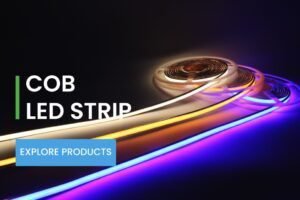
For outdoor living brands, mini spotlights are often part of a wider lighting package. You may need recessed lights for pergola beams, deck lights for steps, COB strip for indirect lighting, and drivers that support a clean installation. That is why internal product coverage matters. VLEDSTAR also offers COB LED strip options and a pergola lighting idea guide for buyers planning complete outdoor living solutions.
Private-label buyers need documentation control
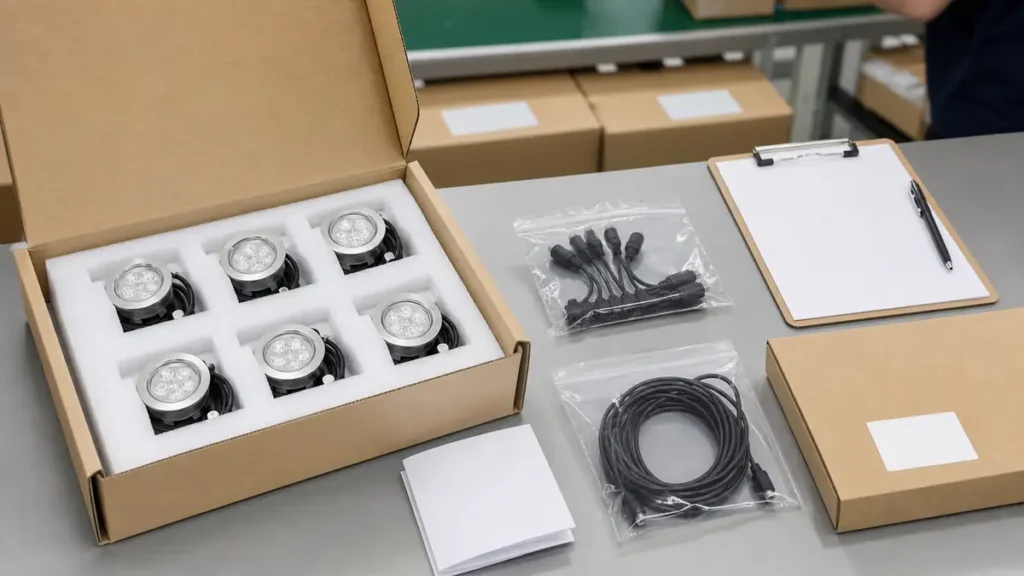
Packaging is not decoration. It is part of after-sales protection. A good manufacturer should help keep model names, lamp quantity, voltage, driver specification, installation diagrams, warnings, and replacement part references consistent across packaging, manuals, invoices, and product pages.
If the documentation is messy before ordering, it will usually become worse after shipping. Make clean documentation part of the supplier comparison.
What Questions Should You Ask Before Placing the First Order?
The best pre-order questions reveal whether the manufacturer understands the product as a system. Ask questions that connect design, production, testing, packaging, and after-sales. A weak supplier answers with “yes.” A strong manufacturer answers with options, limits, and trade-offs.
- Which models are most suitable for pergola, soffit, deck, stair, cabinet, display, and garden use?
- Which products are IP65, and which parts of the system carry that protection level?
- Can you provide 12V and 24V options, and which one do you recommend for my layout?
- What is the maximum lamp quantity per driver for my selected wattage and cable length?
- Can the same product family support 2700K, 3000K, 4000K, 6500K, CCT, RGB, or RGBW?
- How do you control CCT consistency between sample order and bulk production?
- Which LED brands, driver brands, and control systems are available?
- What certification files are available for the exact model and driver combination?
- Can you support private-label packaging, installation instructions, and spare parts?
- What is your replacement process if a batch has a confirmed production defect?
These questions make comparison slower at the beginning, but they prevent expensive ambiguity later. The goal is not to pressure the manufacturer. The goal is to find out whether the supplier can think with you before your customers force the issue.
My View: The Best Manufacturer Is the One That Reduces Hidden Work
The best mini LED spotlight manufacturer is not always the cheapest, the biggest, or the one with the longest catalog. For importers, the best partner is the one that reduces hidden work: fewer sample revisions, fewer unclear documents, fewer mismatched parts, fewer support calls, and fewer order surprises.
That is the practical standard I would use when comparing factories. If two suppliers offer the same 3W mini spotlight, compare the system around it. Who can explain the driver load? Who provides the right splitter and cable? Who understands IP protection? Who can hold the CCT and finish? Who can help your customer install it correctly?
A mature manufacturer will not push every buyer toward the same product. A pergola brand, a landscape lighting wholesaler, a cabinet lighting distributor, and a project contractor do not have the same risk profile. The correct answer may be an IP65 recessed mini spotlight, a low-voltage spotlight kit, an LED deck light, a COB strip, or a combined system.
If you compare manufacturers this way, price still matters. It simply stops being the only number in the decision.
Importer Scorecard for Mini LED Spotlight Manufacturers
| Evaluation area | Strong signal | Warning signal |
|---|---|---|
| Product focus | Deep mini spotlight and kit range with outdoor and indoor models | Only one or two generic models in a broad catalog |
| Engineering support | Can discuss voltage, driver load, cable length, dimming, CCT, and layout | Only sends price list and pictures |
| Outdoor reliability | Clear IP-rated models, waterproof connectors, and application guidance | Uses “waterproof” without test basis or installation limits |
| Documentation | Provides specs, diagrams, certificates, packaging files, and manuals | Files are missing, inconsistent, or not model-specific |
| Repeat orders | Keeps approved samples, batch records, and component version control | Changes LEDs, cables, finishes, or drivers without notice |
FAQ for Importers Comparing Mini LED Spotlight Manufacturers
Both can work. For kit-based outdoor living and longer cable layouts, 24V is often preferred because it can reduce voltage-drop problems compared with lower-voltage layouts. The correct choice still depends on lamp quantity, cable length, driver output, control method, and local installation habits.
IP65 is a strong baseline for many covered outdoor and splash-risk applications, but it is not a universal answer. Deck, ground, underwater, and high-pressure wash areas may need different protection. Ask the manufacturer to match the IP rating to the exact installation environment.
MOQ depends on customization depth. Standard models with neutral packaging may support lower quantities. Custom finish, logo, manual, barcode, carton design, and special cable lengths usually require higher planning volume. Ask suppliers to separate product MOQ from packaging MOQ.
Yes, if the factory has a complete low-voltage lighting system range. This can reduce compatibility problems for pergola, terrace, cabinet, and garden projects. The key is to verify driver load, control method, connector type, cable length, and packaging configuration across the full system.
Compare Your Next Mini LED Spotlight Order With a System View
If you are planning a wholesale, private-label, pergola, deck, cabinet, or landscape lighting order, send your target application, voltage, lamp quantity, color requirement, control method, and market destination. VLEDSTAR can help you compare suitable mini LED spotlight, kit, driver, cable, and accessory options before you commit to production.
Pingback: How to Choose Mini LED Spotlights for Outdoor Landscape Projects - miniledspotlight.com
Pingback: OEM Mini LED Spotlight Specification Checklist for Lighting Brands - miniledspotlight.com
Pingback: Recessed vs Surface-Mounted Mini LED Spotlights for Decks, Steps, and Gardens - miniledspotlight.com
Pingback: Mini LED Spotlight Beam Angle Guide for Pathways, Trees, Walls, and Features - miniledspotlight.com
Pingback: Warm White, Neutral White, RGB, or RGBW Mini Spotlights: Which SKUs Should You Stock? - miniledspotlight.com
Pingback: Custom Mini LED Spotlights: Housing, Finish, Cable, Connector, and Packaging Options - miniledspotlight.com
Pingback: Small Outdoor Spotlights for Modern Gardens: Design Ideas That Also Help Buyers Specify Fixtures - miniledspotlight.com