

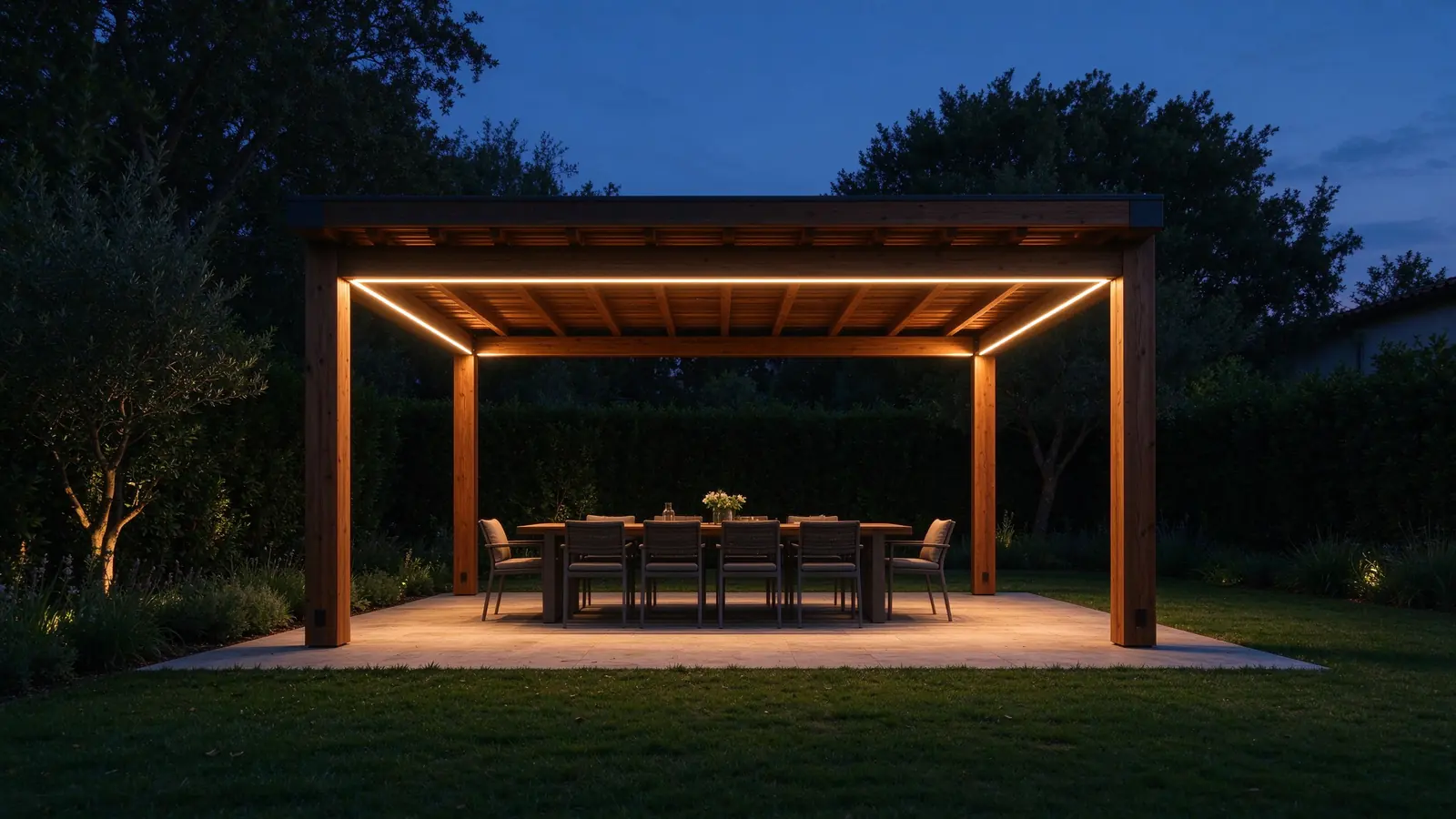
Key takeaways
- IP65 is usually suitable for sheltered outdoor applications exposed to rain and water jets, but it is not an immersion rating.
- IP67 is the practical default when a strip may sit in trapped water or face temporary flooding.
- IP68 is for continuous or repeated submersion, but the permitted depth and duration must be confirmed with the manufacturer.
- The strip body is only one part of the protection system. Cable exits, connectors, end caps, power supplies, and installation details can decide whether an outdoor project succeeds.
For lighting brands, importers, pergola manufacturers, and landscape contractors, a waterproof LED strip is not simply a product with a larger number on the label. It is a specification decision that affects warranty exposure, installation time, replacement access, heat management, and customer confidence.
What do IP65, IP67, and IP68 actually mean?
The IP code comes from IEC 60529, the international standard for degrees of protection provided by electrical enclosures. The first digit, 6, indicates dust-tight protection. The second digit describes the water test, so the real difference between IP65, IP67, and IP68 is water exposure, not dust protection. IEC 60529 defines the classification framework.
| Rating | Water protection in the test | Typical outdoor fit | Do not assume |
|---|---|---|---|
| IP65 | Protection against water jets from any direction under defined test conditions. | Covered pergola channels, soffits, awnings, wall details, and other installations that drain freely. | It can be submerged. |
| IP67 | Protection against temporary immersion under defined pressure and time conditions. | Fully exposed runs, low points, garden edges, deck details, and areas where temporary pooling is credible. | It is suitable for any depth or permanent underwater use. |
| IP68 | Protection against immersion beyond IP67, with the exact depth and duration specified by the manufacturer. | Ponds, fountains, water features, submerged details, and projects with continuous immersion risk. | Every IP68 product has the same underwater performance. |
IEC guidance explains that IP water protection ranges from resistance to drops and jets through to continuous immersion, but an IP code is a test classification, not a complete installation guarantee. The IEC smart lighting overview also notes that the second IP digit is the water-ingress category.
IP65 LED strip lights: when are they the right choice?
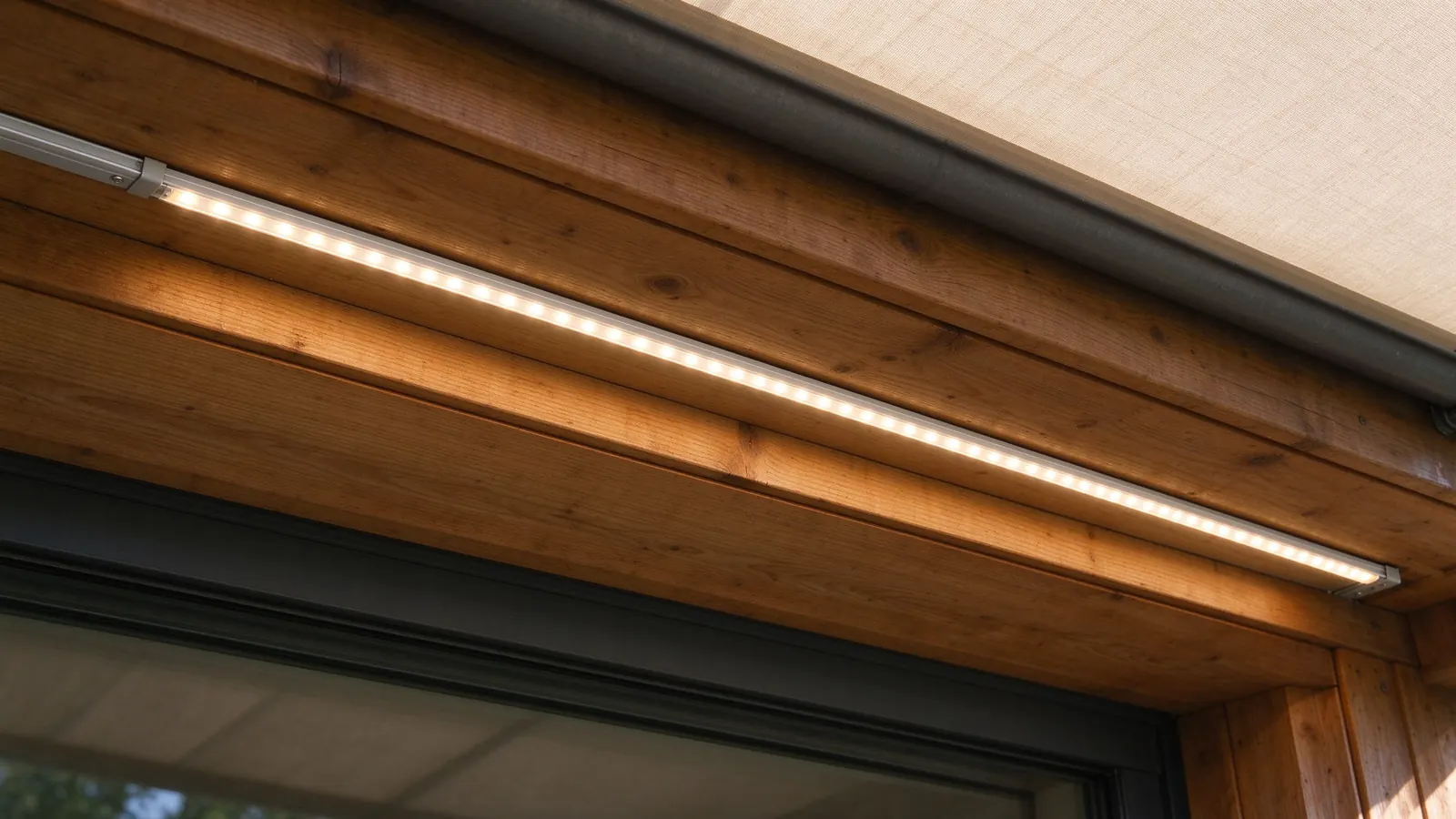
Choose IP65 when the strip is exposed to normal rain or splash but is mounted where water can escape and the product will not sit underwater. This is often the most sensible rating for sheltered pergola beams, soffits, awning recesses, covered patios, and protected landscape features.
IP65 can also be a better engineering choice than IP68 when service access matters. More encapsulation can make a strip heavier, less flexible, harder to cut or repair, and more difficult to thermally manage. If a project is dry enough for IP65, specifying IP68 may add cost without adding useful protection.
Where IP65 becomes risky
Do not specify IP65 solely because a strip is under an outdoor roof. Condensation, wind-driven rain, snowmelt, irrigation spray, and blocked drainage can create a wetter environment than the drawing suggests. A strip installed in a downward-facing channel or a low point may experience water retention even when the general location looks covered.
For a pergola lighting brand, the key question is not “Is the roof waterproof?” It is “Can water reach the strip, remain around it, or enter through an end, joint, or cable exit?” If the answer changes with weather or installation quality, IP67 may provide a more forgiving specification.
IP67 LED strip lights: the practical outdoor default
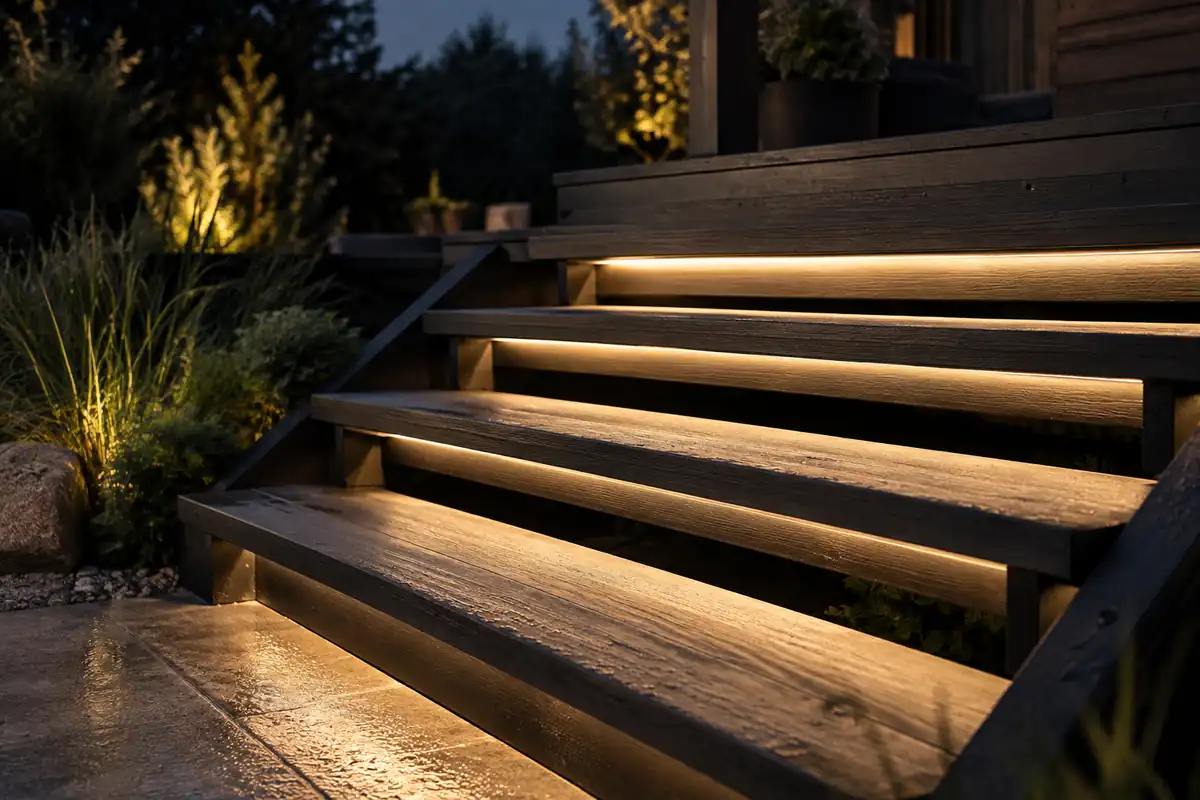
IP67 is usually the strongest starting point for permanently exposed outdoor strip lighting where temporary pooling or flooding is possible, but full underwater operation is not required. It suits open pergolas, deck perimeters, landscape borders, steps, retaining walls, and architectural details with uncertain drainage.
For importers and project buyers, IP67 often balances protection with installation practicality. It gives a larger margin for weather exposure than IP65 without automatically committing the project to a fully submerged product construction. That balance can matter when a product must remain flexible, fit a narrow channel, or be replaced without removing an entire assembly.
Use IP67 when these conditions are credible
- The strip is directly exposed to rain and may be installed horizontally.
- Water can collect briefly near a deck, planter, stair, or landscape channel.
- The final drainage quality depends on local installers or changing site conditions.
- The project owner wants more protection against temporary immersion but does not need a continuously submerged system.
IP68 LED strip lights: when does the extra protection matter?
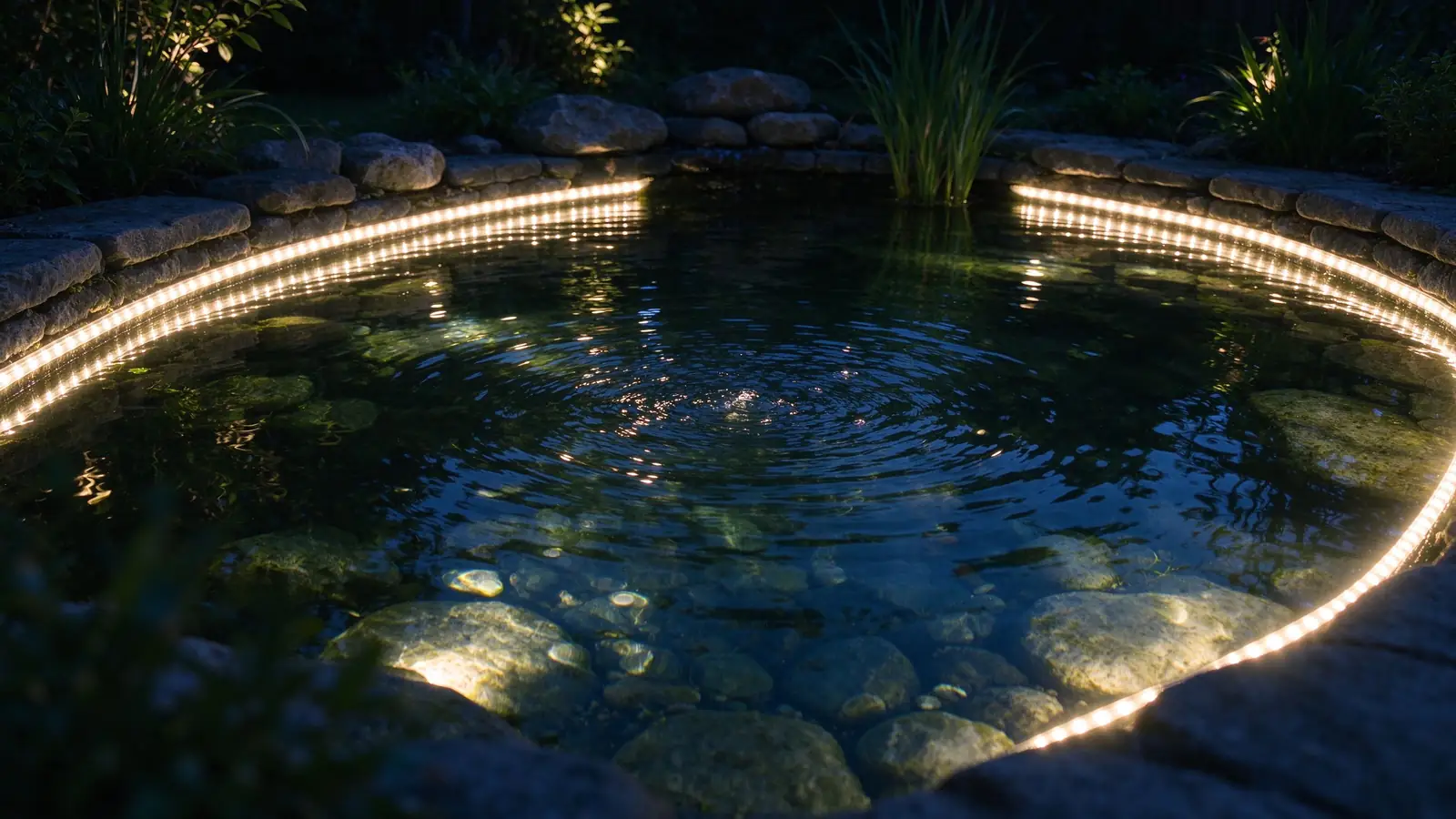
IP68 is justified when the lighting is designed to remain underwater or face repeated immersion as part of normal operation. Typical examples include pond edges, fountains, water features, submerged architectural details, and some marine or pool-adjacent applications. The manufacturer must state the tested depth and duration because IP68 does not define one universal underwater limit.
This is where procurement teams need more than a product title. Ask for the IP68 test condition, permitted installation orientation, cable and connector requirements, minimum bend radius, cut-and-seal method, and the conditions that would void the rating. An IP68 strip with an unsealed cut end is not an IP68 installation.
IP68 can also create design trade-offs. A thicker sleeve, extrusion, or potting system may reduce flexibility and make heat dissipation more difficult. The right solution is the one that survives the actual environment while still meeting the optical, mechanical, and maintenance needs of the project.
Why the IP rating on the strip is not the whole waterproof system
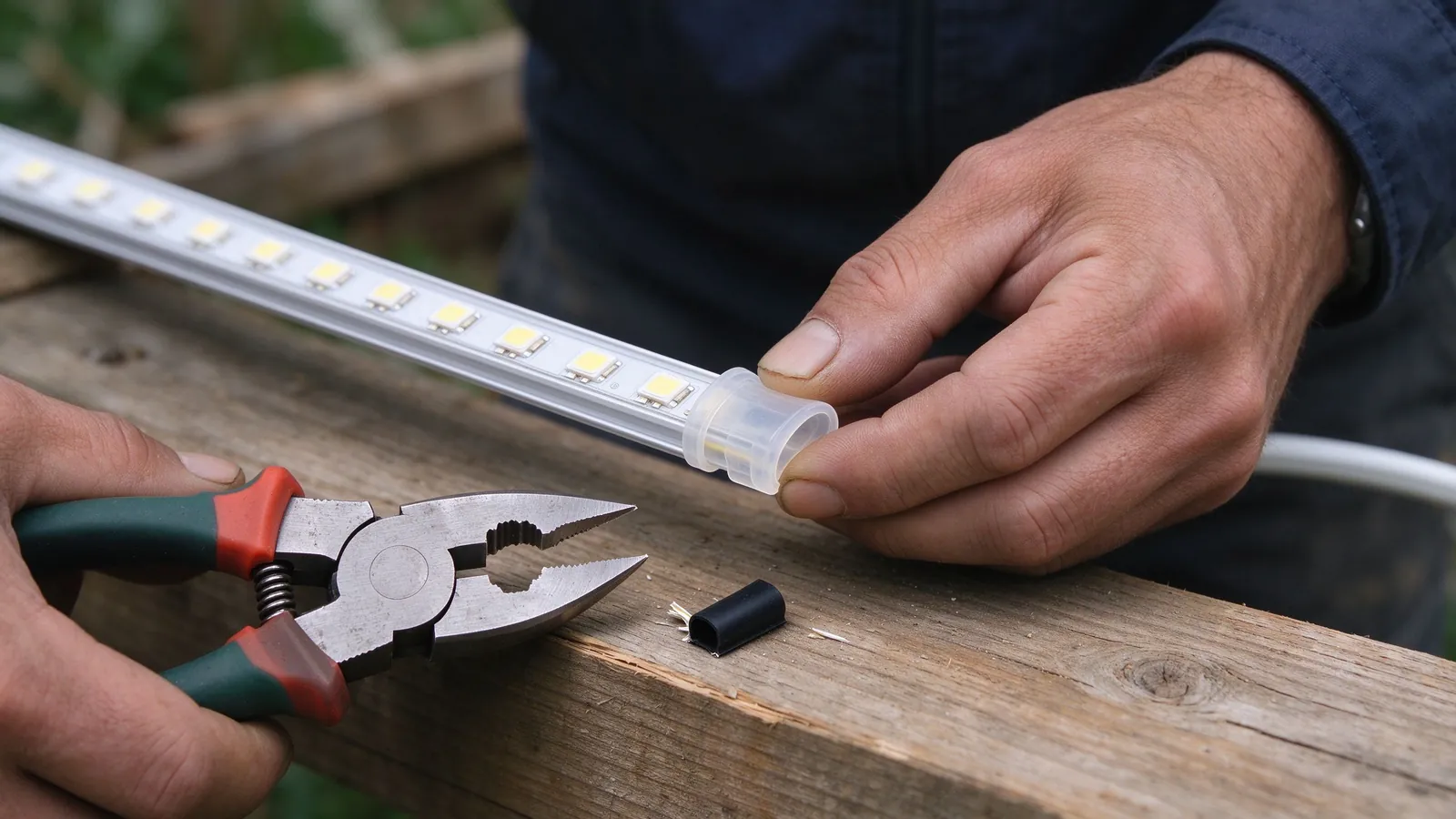
Most outdoor strip failures start at interfaces rather than in the middle of the sealed strip. End caps, solder points, connectors, cable glands, power injection points, and controller housings all need protection that matches the project. The weakest interface sets the practical protection level of the installed system.
Check the complete installation, not just the reel
- End sealing: Confirm how cut ends are closed and whether the sealant or end cap is part of the tested assembly.
- Connectors: Verify the mating condition. A connector can have a different IP rating when connected, capped, or left open.
- Cable routing: Avoid upward-facing cable entries that create a path for water to follow into the enclosure.
- Power supplies and controllers: A waterproof strip does not make an indoor driver suitable for outdoor use.
- Drainage: Do not design a channel that stores water around the strip. A drainable channel is part of waterproofing.
- Thermal management: Match the strip to an appropriate aluminum profile or heat-spreading surface when the power level and duty cycle require it.
This system view is especially important for brands selling complete kits. VLED’s COB LED strip range shows why voltage, strip width, power, cut length, color rendering, and waterproof level should be specified together. The page lists 12V and 24V options, multiple PCB widths, and different power levels rather than treating IP protection as the only selection variable.
Which waterproof level fits common outdoor projects?
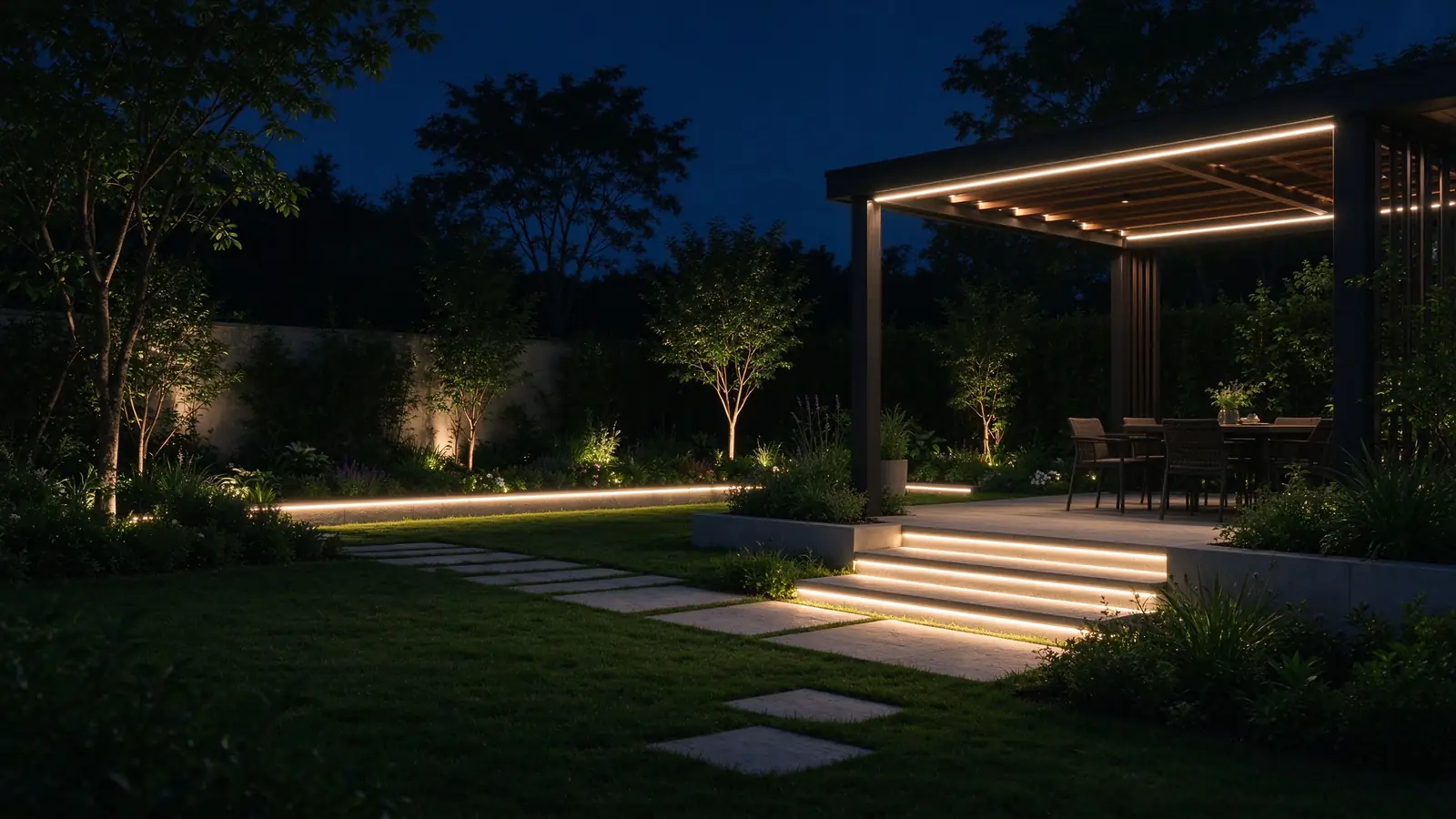
The following recommendations are a useful specification starting point. They should still be checked against the site drainage, local electrical rules, product construction, and the manufacturer’s test documentation.
| Project environment | Starting point | Reasoning |
|---|---|---|
| Covered pergola beam or soffit | IP65 | Suitable when the channel is protected, ventilated, and free-draining. |
| Open pergola, patio edge, or exposed eave | IP67 | Provides more tolerance for direct rain and temporary water retention. |
| Deck stair or landscape channel near irrigation | IP67 | Spray, mud, pooling, and maintenance conditions are harder to control. |
| Planter, water feature, pond, or fountain | IP68 | Use only when the declared depth and immersion duration cover the design. |
| Indoor strip in a sealed outdoor enclosure | Project-specific | The enclosure, cable entries, heat, and service plan may matter more than the strip label. |
For a lighting brand or distributor, these categories can become a clearer product architecture: IP65 for sheltered outdoor lines, IP67 for general exposed outdoor lines, and IP68 for purpose-built underwater products. That approach keeps the catalogue easy to specify while preventing customers from treating every “waterproof” strip as interchangeable.
How should brands and contractors verify an outdoor LED strip before ordering?
Before approving a bulk order, ask for evidence that connects the rating to the actual product and installation method. A generic IP statement is not enough for a project with warranty or safety consequences.
- Request the exact IP rating for the assembled strip, not only the raw PCB or sleeve.
- Confirm the test standard and, for IP68, the tested depth and duration.
- Review the approved end-cap, connector, cable, and controller configuration.
- Check whether cutting, soldering, shortening, or field assembly changes the rating.
- Confirm operating voltage, wattage per metre, thermal requirements, and maximum run length together.
- Ask for samples and inspect the sealing details before finalizing a private-label housing or kit.
- Define who owns installation quality, commissioning, and future replacement access.
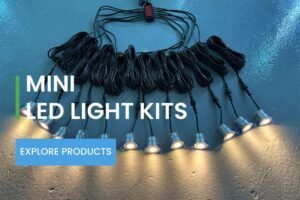
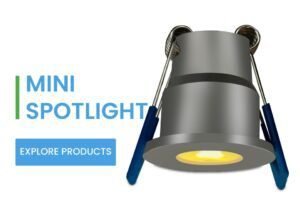
VLED’s product structure is built around complete mini LED lighting solutions, not only individual components. Its mini LED light kits are offered as sets to simplify installation, while the mini LED spotlight range covers recessed and dimmable formats used across pergola, veranda, soffit, awning, and landscape applications. For brands developing a coordinated outdoor range, that system perspective can help align strip lights, spotlights, controls, wiring, and packaging.
Our position: specify the lowest rating that safely covers the real exposure
For most outdoor strip-lighting projects, IP67 is the sensible default when exposure is uncertain. IP65 remains a sound choice for genuinely sheltered and drainable locations. IP68 should be reserved for designs that require continuous or repeated immersion and can document the exact test condition.
That is a more useful rule than “always buy IP68.” Over-specifying waterproofing can make a product harder to install, harder to service, and less thermally efficient. Under-specifying it can create water ingress, rework, failed inspections, and warranty disputes. The best decision matches protection to exposure and then verifies every connection in the system.
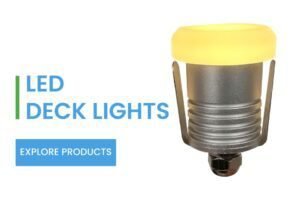
VLED has focused on small LED spotlights, mini downlights, LED kits, deck lights, and COB LED strips since 2010. Its R&D and manufacturing profile describes an OEM and ODM capability for global lighting brands, including product design, customization, and factory production. That experience is relevant when an outdoor brand needs a complete lighting specification rather than a reel of strip with a waterproof label.
Need help selecting the right outdoor lighting specification?
Share the installation location, exposure, channel design, voltage, run length, and maintenance plan. The VLED team can help you compare IP65, IP67, and IP68 options and develop a mini spotlight or LED strip solution for pergola, patio, deck, or landscape projects.
Explore VLED outdoor lighting solutions または review more technical lighting guides.
Send Us Your Request